Generac engines are renowned for their reliability and efficiency, powering everything from residential generators to industrial equipment. However, like all mechanical systems, they require regular maintenance and occasional repairs to ensure optimal performance. Whether you’re a seasoned mechanic or a DIY enthusiast, understanding the intricacies of Generac engines and following the manufacturer’s guidance is crucial for effective repair and overhaul. This article delves into the essential components of Generac engines, the importance of adhering to manufacturer guidelines, and provides a step-by-step approach to repair and best practices for engine overhauls.
Understanding Generac Engine Components
Generac engines are complex machines comprised of numerous components that work in harmony to deliver power efficiently. The primary components include the engine block, pistons, crankshaft, camshaft, and cylinder head. Each of these parts plays a critical role in the engine’s operation, with the engine block serving as the foundation and housing for other components. The pistons move within the cylinders, powered by the combustion of fuel, while the crankshaft converts this linear motion into rotational motion to drive the generator.
The camshaft, another vital component, controls the opening and closing of the engine’s intake and exhaust valves with precise timing, ensuring optimal air-fuel mixture and exhaust expulsion. The cylinder head, which sits atop the engine block, contains the combustion chambers and provides passages for fuel, air, and exhaust gases. Understanding the function of these components is essential for diagnosing issues and performing repairs on Generac engines.
Additionally, Generac engines incorporate advanced technologies such as electronic fuel injection (EFI) systems, which optimize fuel delivery and improve efficiency. The EFI system comprises sensors, fuel injectors, and an electronic control unit (ECU), which work together to monitor engine conditions and adjust fuel flow accordingly. Familiarity with these systems is crucial for troubleshooting and ensuring the engine runs smoothly.
A comprehensive understanding of these components and their interrelations forms the foundation for effective maintenance and repair. For detailed information on specific engine models and components, consulting the Generac Manuals is highly recommended.
Importance of Manufacturer’s Guidance
Adhering to the manufacturer’s guidance is paramount when repairing or overhauling Generac engines. The manufacturer’s manuals provide detailed instructions tailored to specific engine models, ensuring that repairs are conducted safely and effectively. These guidelines cover everything from routine maintenance to complex repair procedures, offering insights that generic repair manuals might overlook.
Manufacturer’s guidance also ensures that repairs are performed using the correct specifications and settings, which is crucial for maintaining engine performance and longevity. For instance, torque specifications for bolts and nuts, clearances for components, and recommended lubricants are all outlined in the manuals. Ignoring these specifications can lead to improper repairs, resulting in suboptimal engine performance or even damage.
Furthermore, following the manufacturer’s guidance helps in maintaining warranty coverage. Many manufacturers require that repairs and maintenance be conducted according to their guidelines to keep the warranty valid. Failing to adhere to these instructions can void the warranty, leaving the owner responsible for any future repair costs.
The manufacturer’s guidance is an invaluable resource for anyone working on Generac engines, providing the necessary information to perform repairs accurately and efficiently. For access to the latest manuals and technical documents, visit the Generac Manuals.
Steps for Effective Engine Repair
Effective engine repair begins with a thorough diagnosis to identify the root cause of the problem. This process involves inspecting the engine visually, listening for unusual noises, and using diagnostic tools to check for error codes and performance metrics. Once the issue is identified, consulting the manufacturer’s manual will provide guidance on the necessary repair procedures and replacement parts.
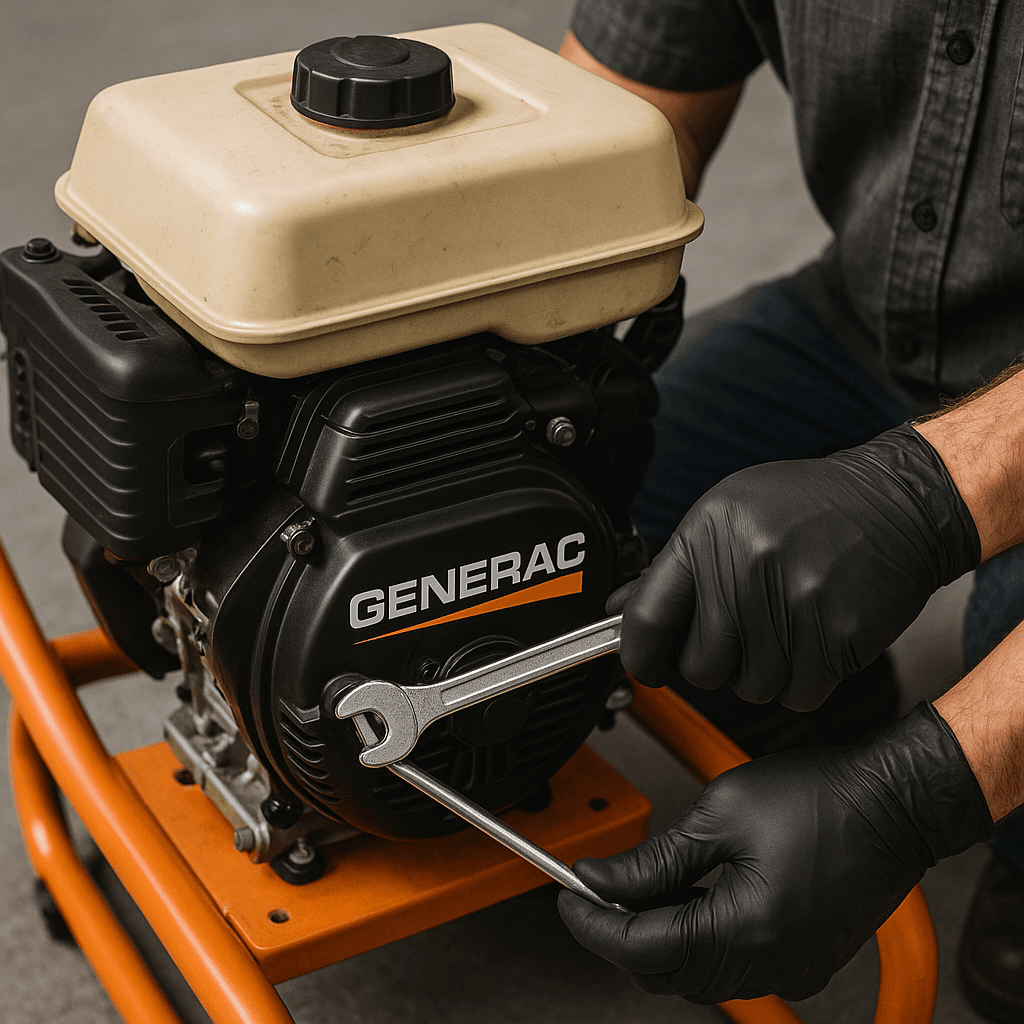
The next step is to gather the required tools and replacement parts. Using high-quality tools and genuine Generac parts is essential to ensure a successful repair. The manufacturer’s manual will list the specific tools needed for each repair task, such as wrenches, gauges, and diagnostic equipment, as well as the part numbers for replacement components.
With the tools and parts ready, proceed with the repair by following the step-by-step instructions outlined in the manufacturer’s manual. This may involve disassembling certain engine components, replacing faulty parts, and reassembling the engine. It is crucial to adhere to the torque specifications and assembly procedures to avoid damaging the engine or compromising its performance.
Finally, after completing the repair, conduct a thorough test to ensure the engine operates correctly. This includes checking for leaks, verifying that all components are securely fastened, and running the engine under load to confirm that the issue has been resolved. For more detailed repair procedures and troubleshooting tips, refer to the Generac Manuals.
Best Practices for Engine Overhaul
Overhauling a Generac engine involves more extensive work than simple repairs, requiring a complete disassembly and inspection of all engine components. Begin by cleaning the engine exterior to prevent dirt and debris from entering the internal components during disassembly. Carefully document the disassembly process, labeling parts and taking notes to ensure accurate reassembly.
During the overhaul, inspect each component for wear, damage, or corrosion. Replace any parts that do not meet the manufacturer’s specifications, and consider upgrading components such as seals and gaskets to improve engine performance and reliability. The manufacturer’s manual will provide specifications and recommendations for replacement parts and upgrades.
Reassemble the engine with precision, following the manufacturer’s guidelines for assembly order and torque specifications. Pay special attention to the alignment of moving parts, such as the timing chain or belt, to ensure the engine operates smoothly. Use new gaskets and seals to prevent leaks and ensure a tight fit between components.
After reassembly, perform a series of tests to confirm the engine’s performance. This includes running the engine at various loads, monitoring temperature and pressure readings, and checking for any unusual noises or vibrations. An engine overhaul is a complex task, but with careful attention to detail and adherence to the manufacturer’s guidance, it can significantly extend the life of a Generac engine. For comprehensive overhaul procedures, consult the Generac Manuals.
Repairing and overhauling Generac engines is a task that demands technical knowledge and strict adherence to the manufacturer’s guidance. By understanding the components, following detailed repair steps, and implementing best practices for overhaul, engine performance can be maintained and enhanced. Whether addressing minor repairs or conducting a complete overhaul, the manufacturer’s manuals serve as an indispensable resource for ensuring accuracy and efficiency in all maintenance tasks. By leveraging these resources, technicians and enthusiasts alike can ensure that Generac engines continue to deliver reliable power for years to come. For more detailed information and guidance, visit the Generac Manuals.